CANDLESTICK
Piercing Pattern: How to Set Your Stop-loss
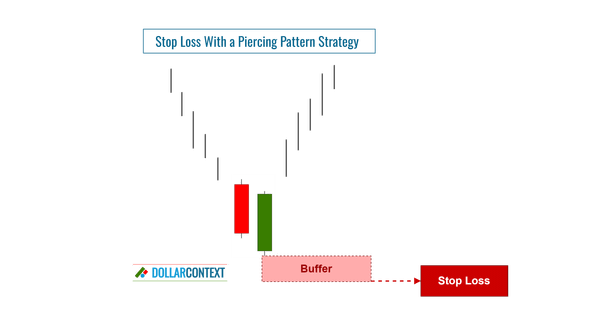
Set the stop-loss level below the low of the piercing pattern to protect you against potential downside risk.

CANDLESTICK
Set the stop-loss level below the low of the piercing pattern to protect you against potential downside risk.
CANDLESTICK
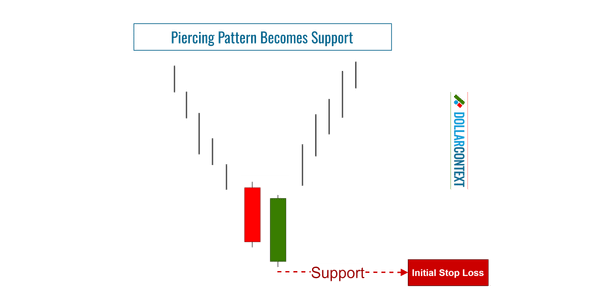
The price range associated with a piercing pattern frequently evolves into a support area.
CANDLESTICK
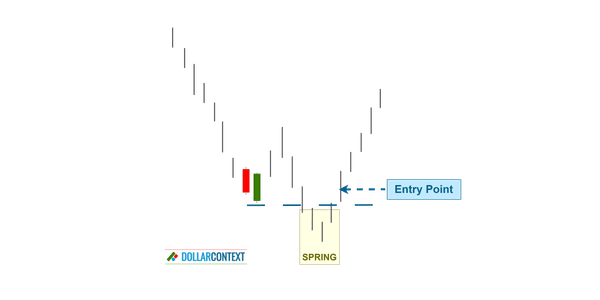
When a piercing pattern emerges, it signals a potential bullish reversal. Here are different options for entry points after this pattern.

CANDLESTICK
Understanding the psychology behind the piercing pattern requires dissecting its two-candle formation and the investor sentiment driving each candlestick.
CANDLESTICK
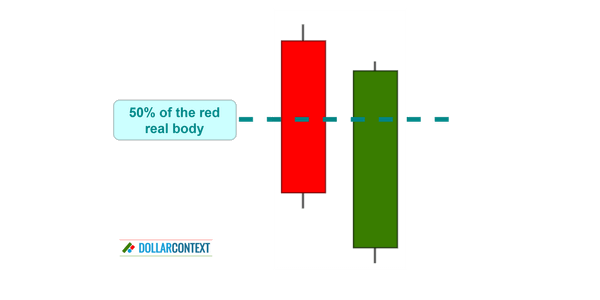
A piercing pattern is a two-candle combination that occurs at the end of a downtrend, signaling a potential bullish reversal.
HAMMER
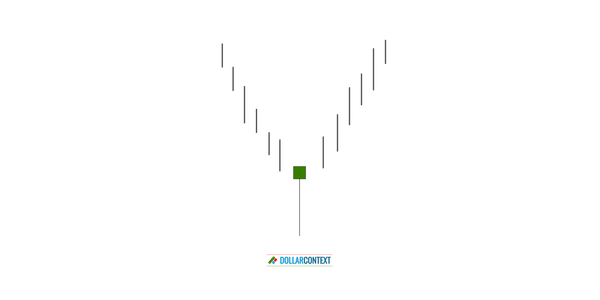
Today, we're going to explore a crucial pattern in the realm of Japanese candlestick analysis: the hammer.
HAMMER
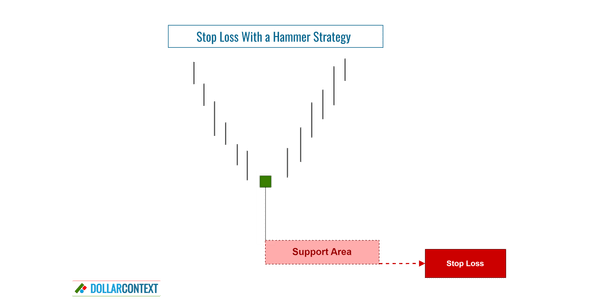
Set the stop-loss level below the low of the hammer pattern to protect against potential downside risk.
HAMMER
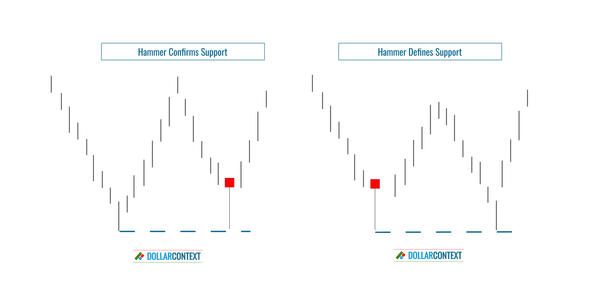
A hammer creates a support area or confirms the credibility of a previously identified support zone.

HAMMER
In this post we cover the psychological implications of a hammer pattern within the domain of Japanese candlestick charts.
HAMMER
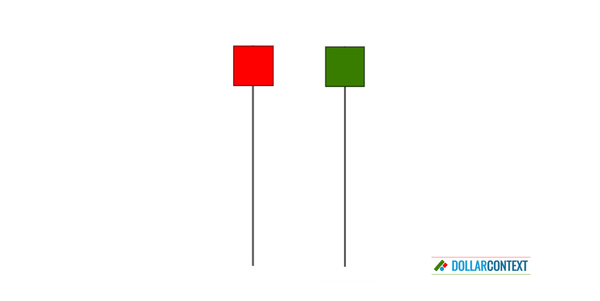
The hammer pattern consists of a candle with a small real body at the upper end of the session and a long lower shadow.
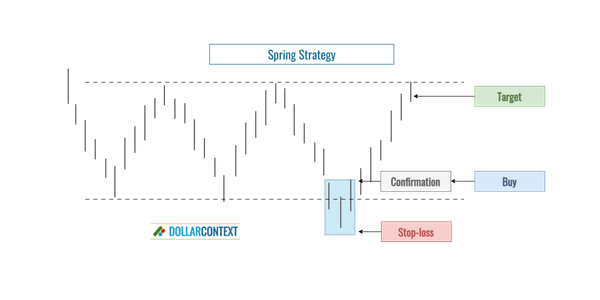
SPRING
Using a spring strategy can be extremely effective if you can recognazize these signals and know how to leverage them to your advantage.
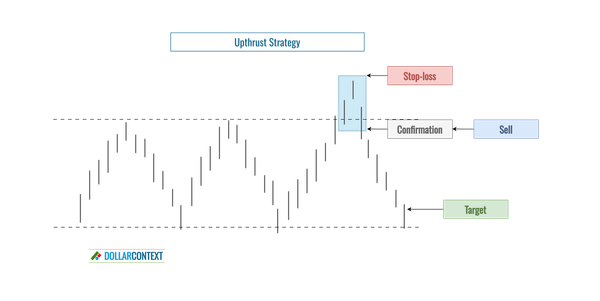
UPTHRUST
Using an upthrust strategy can be extremely effective if you are skillful enough to recognazize these signals and know how to leverage them to your advantage.